Strength and Conditioning for Men With Cancer
Our comprehensive physical assessment is designed to safely and accurately evaluate the functional capacity, mobility, and overall physical well-being of men undergoing or recovering from prostate cancer treatment. This assessment provides a clear baseline from which individualized exercise programming and progression strategies can be developed, with a strong emphasis on safety, confidence, and quality of life.
-
Vital Signs (If necessary)
Resting heart rate, blood pressure, oxygen saturation, and other key indicators are measured to ensure individuals are medically stable and to guide safe exercise prescription.Range of Motion (ROM)
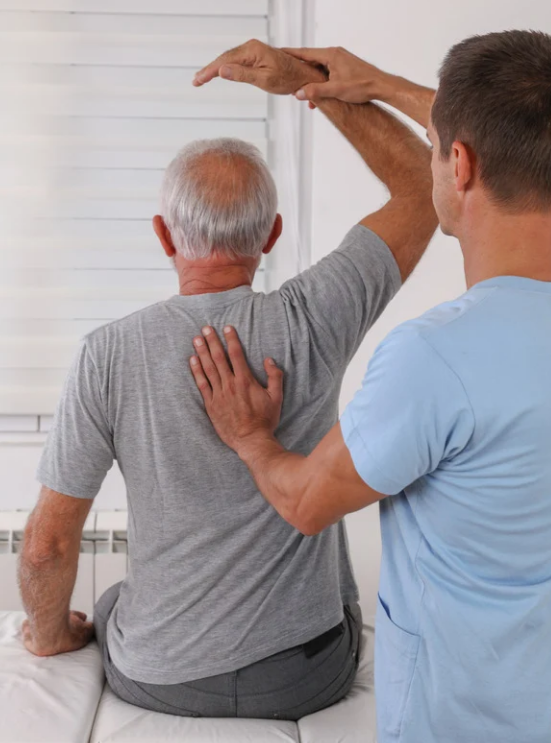
Shoulder, hip, and knee joint mobility are assessed to identify movement limitations, post-treatment stiffness, or compensatory patterns that may influence functional performance and exercise selection.Strength Testing
A combination of upper- and lower-body strength measures are used to evaluate baseline muscular capacity:
– Grip strength
– Biceps curl
– Chest press
– Knee extension
These tests help identify asymmetries, areas of weakness, and opportunities for targeted strengthening.Balance Testing
Static and dynamic balance assessments provide insight into fall risk and neuromuscular control—both of which can be impacted by cancer treatments, fatigue, or deconditioning.Timed Up and Go (TUG)
This functional mobility test measures the time it takes to stand from a seated position, walk three metres, turn, return, and sit. The TUG provides valuable information about gait speed, stability, and overall mobility.10-Minute Step Test (Endurance)
A controlled stepping protocol assesses cardiovascular endurance and fatigue levels, offering an objective measure of aerobic capacity and treatment-related deconditioning.
Together, these assessments create a detailed functional profile that guides personalized, evidence-informed exercise programming tailored to each individual’s needs, goals, and stage of care.
-
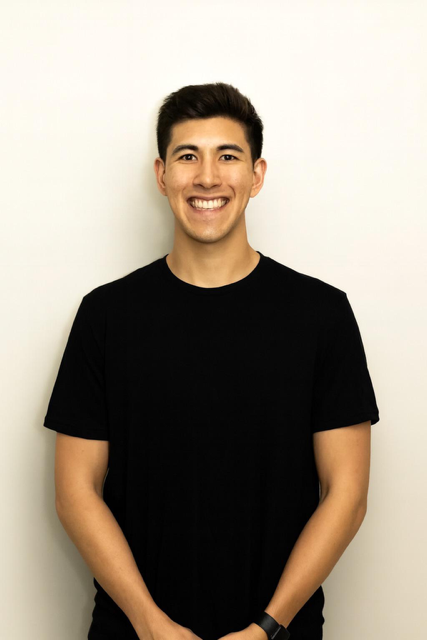
Matt Richardson, PT, MPT, B.Sc. Kin (Hons.)
Matt completed his Master of Physical Therapy at Western University in 2022 after earning his Bachelor of Science in Kinesiology (Honours) from McMaster University in 2019. He has experience working in a variety of clinical settings and enjoys helping people move and feel better at every stage of their health journey.
At the Eir Centre, Matt works with individuals living with prostate cancer to improve strength, mobility, balance, fall prevention and endurance, while managing pain and rebuilding confidence. He understands that cancer and its treatments can affect both the body and mind, and he strives to create a supportive, encouraging environment where patients feel safe, heard, and empowered.
Matt’s treatments are tailored to each individual’s needs and goals. His patient-centred, evidence-based approach emphasizes education and gradual exercise progression. When appropriate, his care may also include dry needling and acupuncture to help reduce pain, improve movement, and support recovery.
Outside of the clinic, Matt enjoys staying active through strength training, outdoor activities, and recreational sports. When he’s not spending time with his wife and their two cats, he can often be found enjoying the outdoors.
-
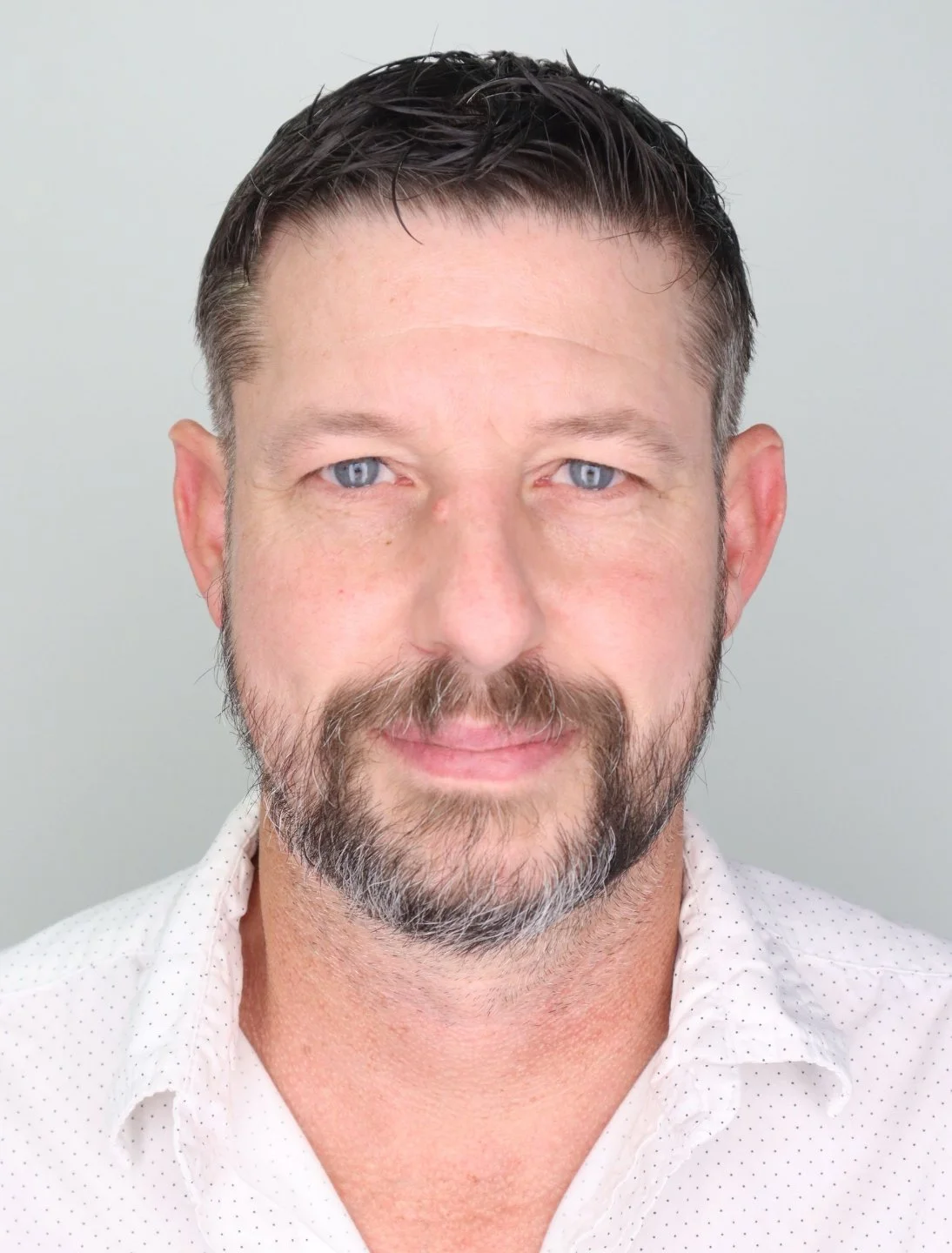
Jamie Wilson graduated from the University of Western Ontario in 1999 with an Honors Bachelor of Arts in Kinesiology with a concentration in Psychology. He began his career in the health and fitness industry, working with a wide range of clients, including older adults, individuals pursuing general fitness or weight management, and athletes competing at the junior, national, and professional levels.
A Certified Strength and Conditioning Specialist (CSCS) through the National Strength and Conditioning Association, Jamie joined the Fowler Kennedy Sport Medicine Clinic in 2004 as a Kinesiologist. For many years, he supported a multidisciplinary clinical team, contributing to patient care through evidence-informed exercise programming and functional rehabilitation. He recently transitioned into the role of Retail Manager, where he oversees operations, customer experience, and product strategy within the clinic’s retail services division. This includes leadership in both off-the-shelf orthopaedic bracing and custom bracing solutions, ensuring clients receive high-quality products paired with expert guidance.
In November 2025, Jamie expanded his clinical impact by joining the Eir Centre as a Strength and Conditioning Specialist. In this role, he helps design and refine fitness assessment protocols and personalized exercise programs tailored to men navigating—and recovering from—prostate cancer and its associated treatments. Jamie approaches this work with deep empathy and a commitment to meeting each individual where they are. His focus is on supporting safe, progressive movement; fostering confidence during a vulnerable time; and helping clients regain strength, independence, and quality of life throughout the cancer care continuum.
Jamie maintains a strong professional interest in ACL rehabilitation and sport-specific performance training. Outside of work, he enjoys hockey, golf, landscaping, and travelling whenever the opportunity arises.